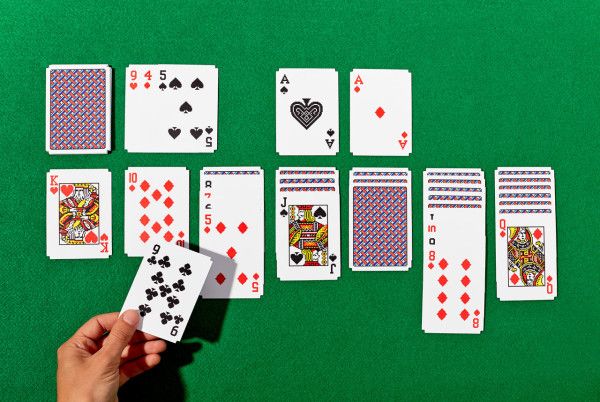

Card games have always been about more than just winning. They create shared moments, spark conversations, and bring people together in ways few other activities can. In today’s connected world, multiplayer card games have expanded beyond living rooms and kitchen tables, offering both in-person and online experiences that emphasize social interaction and fun.
Whether you are hosting a casual game night or connecting with friends online, multiplayer card games provide an easy and engaging way to build connections. This guide explores popular options, key features, and how to make the most of these games in social settings.
Why Multiplayer Card Games Are Perfect for Socializing
Card games are uniquely suited for group interaction. They combine simple mechanics with opportunities for conversation, humor, and friendly competition.
Social Benefits of Card Games
- Encourage Interaction: Players talk, react, and engage constantly
- Break the Ice: Easy rules make them accessible for new groups
- Promote Teamwork: Many games involve partnerships
- Create Shared Experiences: Memorable moments happen naturally
Unlike many forms of entertainment that are passive, card games actively involve everyone at the table.
Classic Multiplayer Card Games That Never Get Old
Some card games have stood the test of time because of their simplicity and universal appeal.
Popular Classics
- Poker: A mix of strategy, psychology, and social interaction
- Rummy: Focuses on forming sets and sequences
- Spades: A trick-taking game that relies on teamwork
- Hearts: Strategic play with a competitive edge
These games are easy to learn but offer depth, making them ideal for both beginners and experienced players.
Party Card Games for Larger Groups
When the goal is laughter and energy, party-style card games are the best choice. These games prioritize fun over strict strategy.
Features of Party Card Games
- Quick rounds
- Simple rules
- High interaction levels
Examples of Party Favorites
- Games that involve storytelling or humor
- Fast-paced matching or reaction-based games
- Cooperative challenges that involve the whole group
These games work well for gatherings where players may come and go or have varying levels of experience.
Cooperative Card Games for Team Play
Not all card games are competitive. Cooperative games focus on players working together toward a common goal.
Why Choose Cooperative Games
- Reduce pressure on individual players
- Encourage communication and planning
- Strengthen group dynamics
Key Elements
- Shared objectives
- Limited communication rules in some cases
- Strategic coordination
These games are ideal for groups that prefer collaboration over competition.
Online Multiplayer Card Games
Digital platforms have transformed how people experience multiplayer card games. You no longer need to be in the same room to enjoy a game together.
Advantages of Online Play
- Connect with friends across distances
- Access a wide variety of games instantly
- Play at any time
Social Features in Online Games
- Voice and text chat
- Private tables for friends
- Global matchmaking
Online card games maintain the social essence while adding convenience and flexibility.
Choosing the Right Game for Your Group
Not every game fits every group. The best choice depends on the mood, group size, and experience level.
Factors to Consider
- Group Size: Some games work better with small groups, others with larger ones
- Skill Level: Choose games that match the group’s experience
- Time Available: Quick games for short sessions, longer ones for dedicated play
Selecting the right game ensures that everyone stays engaged and enjoys the experience.
Setting Up a Great Game Night
A successful card game session involves more than just picking a game. The environment and preparation play a big role.
Tips for Hosting
- Provide enough space for all players
- Ensure good lighting for visibility
- Keep rules simple and clear
Enhancing the Experience
- Offer snacks and drinks
- Rotate games to keep things fresh
- Encourage friendly competition
A relaxed and welcoming atmosphere makes the experience more enjoyable for everyone.
The Role of Communication in Multiplayer Games
Communication is a central part of social card games. It shapes the experience and often influences outcomes.
Types of Communication
- Strategic discussions
- Friendly banter
- Non-verbal cues in in-person games
Effective communication adds depth to gameplay and strengthens social connections.
Balancing Competition and Fun
While competition is a natural part of many card games, maintaining a balance is essential for social settings.
How to Keep It Fun
- Focus on enjoyment rather than winning
- Avoid overly complex strategies in casual settings
- Celebrate good plays from all participants
The goal is to create a positive experience that everyone wants to repeat.
Adapting Card Games for Different Occasions
Card games can be tailored to fit various social situations.
Casual Gatherings
- Choose light, easy-to-learn games
- Keep rounds short
Family Events
- Select games suitable for all ages
- Emphasize cooperation and inclusivity
Competitive Nights
- Introduce more strategic games
- Keep score over multiple rounds
Flexibility allows card games to fit almost any setting.
Benefits Beyond Entertainment
Multiplayer card games offer more than just fun. They contribute to personal and social development.
Key Benefits
- Improved Communication Skills
- Enhanced Strategic Thinking
- Stress Relief Through Social Interaction
These benefits make card games a valuable addition to regular social activities.
Technology and the Future of Social Card Games
As technology continues to evolve, multiplayer card games are becoming more immersive and accessible.
Emerging Trends
- Cross-platform play across devices
- Enhanced graphics and interfaces
- Integration with social media features
These developments are expanding the ways people connect through card games.
Common Mistakes to Avoid
Even simple games can lose their appeal if certain mistakes are made.
Pitfalls to Watch For
- Choosing overly complex games for beginners
- Ignoring group preferences
- Letting competition overshadow fun
Being mindful of these issues helps maintain a positive group dynamic.
Building Traditions Around Card Games
Regular game nights can become meaningful traditions that strengthen relationships over time.
Ways to Create Traditions
- Schedule consistent game sessions
- Rotate hosts among friends
- Introduce new games periodically
These traditions provide something to look forward to and help maintain social connections.
FAQ Section
What are the best multiplayer card games for beginners
Simple games with easy rules and quick rounds are ideal for beginners, as they allow players to learn while having fun.
How many players are needed for multiplayer card games
Most games require at least two players, but many are designed for groups of four or more.
Can multiplayer card games be played online with friends
Yes, many platforms offer private tables and communication features for playing with friends remotely.
What makes a card game good for social fun
Games that encourage interaction, laughter, and easy participation are best suited for social settings.
Are cooperative card games better for groups
They can be, especially for groups that prefer teamwork over competition.
How do I keep everyone engaged during a game night
Choose appropriate games, keep rules simple, and ensure everyone has a chance to participate.
Can card games improve social skills
Yes, they encourage communication, teamwork, and strategic thinking in a relaxed environment.
Multiplayer card games continue to thrive because they bring people together in meaningful ways. Whether played in person or online, they offer a balance of interaction, strategy, and enjoyment that few activities can match. By choosing the right games and creating a welcoming environment, you can turn any gathering into a memorable experience.