

close

February 2026

Gambling

Decentralised gaming exploration – Cryptocurrency platforms

True blockchain-native implementations redistribute control away from single operators toward transparent automated systems verifiable by anyone. crypto.games platforms exist across the spectrum from traditional centralized operations accepting cryptocurrency to fully decentralized protocols operating through smart contracts alone.

Centralised Architecture with Crypto Payments

Many cryptocurrency casinos maintain traditional server-based architecture where operators control all game logic, random number generation, balance management, and payout execution. Cryptocurrency provides deposit and withdrawal methods rather than fundamentally changing the operational structure. These platforms offer essentially identical experiences to fiat online casinos, except that the payment process is through blockchain networks instead of banks. The operators maintain full control over outcomes, can theoretically manipulate results, and require player trust regarding fair operation. Cryptocurrency integration provides benefits like faster payments and lower transaction costs without delivering the decentralisation, transparency, and trustlessness that blockchain technology promises.

Semi-Decentralised Hybrid Models

Intermediate implementations use smart contracts for critical functions while maintaining centralised components where decentralisation provides limited value. Game outcome generation may occur through blockchain-based random number generation, which is fair to players, while user interface, bet placement, and account management run on traditional centralised servers. This hybrid approach balances decentralisation benefits against practical limitations, including smart contract constraints on complex game logic, high gas costs for frequent blockchain transactions, and user experience issues from blockchain confirmation delays. The hybrid model achieves key decentralisation advantages like outcome fairness and transparent verification without forcing complete decentralisation, creating a negative user experience or high costs that make platforms impractical.

Fully Decentralised Protocol Operation

Pure decentralised implementations run entirely through smart contracts without centralised operator control. Users interact directly with blockchain protocols through depositing funds to smart contracts, placing bets through contract function calls, and receiving winnings automatically from contract-controlled funds. No human operators can manipulate outcomes, withhold winnings, or shut down operations since smart contracts execute autonomously according to published code. This provides maximum trustlessness and censorship resistance at the cost of increased complexity, higher transaction fees, and reduced flexibility for implementing complex features requiring significant computation that blockchain networks handle inefficiently.

Governance and Development Control

  1. Fully centralised teams maintain complete authority over platform changes and direction
  2. Token-weighted voting allows stakeholders to influence platform development roadmaps
  3. DAO structures distribute governance authority across community members through proposals
  4. Time-locked contracts prevent immediate changes, requiring advance notice for modifications
  5. Immutable contracts operate indefinitely without any governance or upgrade capability

User Experience Trade-offs

Centralised platforms provide polished user experiences through fast, responsive interfaces, customer support availability, account recovery mechanisms, and complex features impossible to implement efficiently on blockchains. Decentralised protocols sacrifice some user convenience for trustlessness, where transactions require wallet approvals, operations cost gas fees, and smart contract capabilities limit features. Players must evaluate whether decentralisation’s transparency benefits outweigh potential user experience degradation compared to centralised alternatives offering smoother interactions.

Exit Scam Protection

Decentralised implementations eliminate exit scam risks since no operator controls protocol funds or can disappear with player balances. Smart contracts continue operating indefinitely regardless of whether original developers remain involved. Centralised platforms, regardless of cryptocurrency integration, remain vulnerable to operators absconding with funds if liquidity isn’t properly secured through multi-signature wallets and transparent reserve practices.

Platform exploration requires understanding the decentralisation spectrum and evaluating trade-offs between trustlessness, user experience, functionality, and costs, where neither extreme represents an objectively superior choice.
 

read more
Online Casino

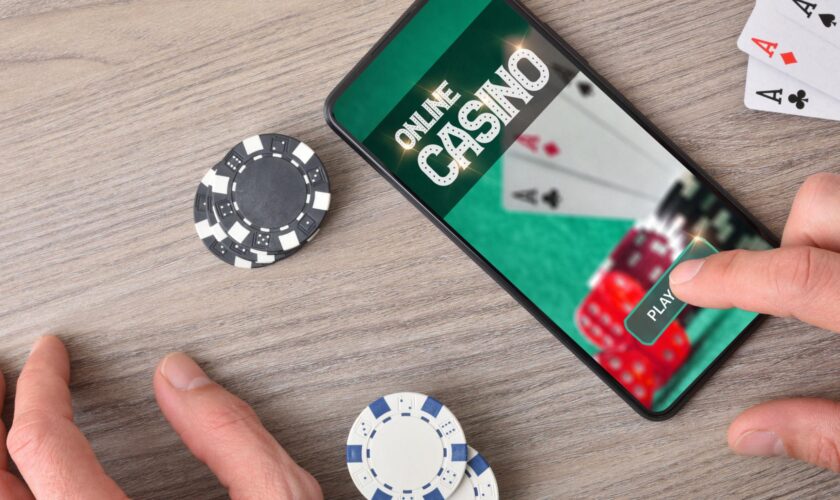
Mobile Casinos: Gaming on the Go

Mobile casinos have reshaped how people engage with digital gaming. What once required a desktop computer or a visit to a physical venue is now accessible from a smartphone or tablet. This shift has not only increased convenience but also introduced new features, faster gameplay, and a more personalized user experience.

Gaming on the go is no longer a novelty. It is a core part of the modern casino industry. Understanding how mobile casinos work, what they offer, and how to use them effectively can help you make informed decisions and get the most out of your experience.

The Rise of Mobile Casinos

Mobile casinos have grown rapidly due to advances in smartphone technology and internet connectivity. As devices became more powerful, they were able to support complex games with high-quality graphics and real-time interaction.

Key Drivers of Growth

  • Smartphone Adoption: Nearly universal access to mobile devices
  • Improved Connectivity: Faster networks enable seamless gameplay
  • User Demand: Preference for flexible and convenient entertainment

This growth has encouraged developers and operators to prioritize mobile-first design, ensuring that games run smoothly on smaller screens.

How Mobile Casinos Work

Mobile casinos operate through two primary formats: dedicated apps and mobile-optimized websites.

Mobile Apps

  • Installed directly on your device
  • Often provide smoother performance
  • May include exclusive features

Mobile Websites

  • Accessed through a browser
  • No installation required
  • Compatible with a wide range of devices

Both options aim to deliver a consistent and enjoyable gaming experience.

Types of Games Available on Mobile Casinos

Mobile casinos offer a wide range of games, similar to what you would find on desktop platforms.

Popular Categories

  • Slots: The most widely played games, with simple mechanics
  • Table Games: Blackjack, roulette, and baccarat
  • Live Dealer Games: Real-time interaction with dealers
  • Specialty Games: Scratch cards and instant-win formats

The diversity of options ensures that players can find games that match their preferences.

User Experience and Interface Design

Mobile casino platforms are designed with usability in mind. A well-designed interface makes navigation intuitive and gameplay enjoyable.

Key Design Features

  • Touch-Friendly Controls: Optimized for tapping and swiping
  • Responsive Layouts: Adapt to different screen sizes
  • Fast Loading Times: Minimize delays during gameplay

A smooth user experience is essential for maintaining engagement and satisfaction.

Payment Methods and Transactions

Mobile casinos support a variety of payment methods, making deposits and withdrawals convenient.

Common Payment Options

  • Digital wallets
  • Credit and debit cards
  • Bank transfers
  • Prepaid cards

Speed and security are critical factors. Players expect quick transactions and reliable processing.

Security and Fair Play

Security is a top priority in mobile casinos. Platforms use advanced technologies to protect users and ensure fair gameplay.

Key Security Measures

  • Encryption to safeguard personal data
  • Verified random number generators for fair outcomes
  • Account verification processes

Choosing a reputable platform is essential for a safe experience.

The Role of Live Dealer Games

Live dealer games have become a major feature of mobile casinos. They combine digital convenience with real-world interaction.

Benefits of Live Dealer Games

  • Real-time gameplay with professional dealers
  • Interactive features such as chat
  • Authentic casino atmosphere

These games appeal to players who want a more immersive experience.

Advantages of Mobile Casinos

Mobile casinos offer several benefits compared to traditional gaming methods.

Key Advantages

  • Convenience: Play anytime and anywhere
  • Flexibility: Access a wide range of games
  • Personalization: Tailored recommendations and offers

These advantages have made mobile casinos a preferred choice for many players.

Challenges and Limitations

Despite their benefits, mobile casinos also have some limitations.

Common Challenges

  • Smaller screen sizes compared to desktops
  • Potential distractions when playing on the go
  • Dependence on internet connectivity

Being aware of these limitations helps you manage expectations and adapt accordingly.

Responsible Gaming on Mobile Devices

The accessibility of mobile casinos makes responsible gaming more important than ever.

Best Practices

  • Set time limits for gameplay
  • Establish a budget before playing
  • Avoid playing in distracting environments

Maintaining control ensures that gaming remains enjoyable and balanced.

Technology Behind Mobile Casinos

Modern mobile casinos rely on advanced technology to deliver high-quality experiences.

Key Technologies

  • High-performance game engines
  • Secure payment systems
  • Real-time data processing

These technologies enable smooth gameplay and reliable performance.

The Impact of 5G and Future Developments

The introduction of faster networks is expected to further enhance mobile casinos.

Potential Improvements

  • Faster loading times
  • Improved live streaming quality
  • More complex and interactive games

Future innovations may also include augmented reality and enhanced personalization.

Choosing the Right Mobile Casino

Selecting the right platform is crucial for a positive experience.

Factors to Consider

  • Reputation and licensing
  • Game variety
  • Payment options
  • Customer support

Taking the time to evaluate these factors can help you find a platform that meets your needs.

Tips for Getting Started

If you are new to mobile casinos, starting with a structured approach can make the experience more enjoyable.

Practical Tips

  • Begin with simple games to learn the interface
  • Explore different game categories
  • Take advantage of tutorials and practice modes

These steps help build confidence and familiarity.

The Future of Gaming on the Go

Mobile casinos are expected to continue evolving as technology advances and user expectations grow.

Trends to Watch

  • Increased use of artificial intelligence
  • Enhanced user interfaces
  • Greater integration of social features

These developments will likely make mobile gaming even more engaging and accessible.

FAQ Section

What is a mobile casino

A mobile casino is a platform that allows users to play casino games on smartphones or tablets.

Are mobile casinos safe to use

Reputable platforms use encryption and security measures to protect users and ensure fair play.

Do I need to download an app to play

Not necessarily. Many mobile casinos can be accessed through a web browser without downloading an app.

What types of games are available on mobile casinos

Common options include slots, table games, live dealer games, and specialty games.

Can I play mobile casino games for free

Many platforms offer free or demo versions of games for practice.

How do I make payments on a mobile casino

Payments can be made using digital wallets, cards, or bank transfers, depending on the platform.

Will mobile casinos continue to grow in popularity

Yes, ongoing technological advancements and user demand suggest continued growth in the industry.

Mobile casinos have transformed gaming into a flexible and accessible experience. By combining convenience, technology, and a wide range of games, they have become a central part of modern entertainment. Understanding how they work and how to use them responsibly ensures that you can enjoy everything they have to offer while staying in control.

read more
Bingo

Multi-Card Bingo Strategy Guide

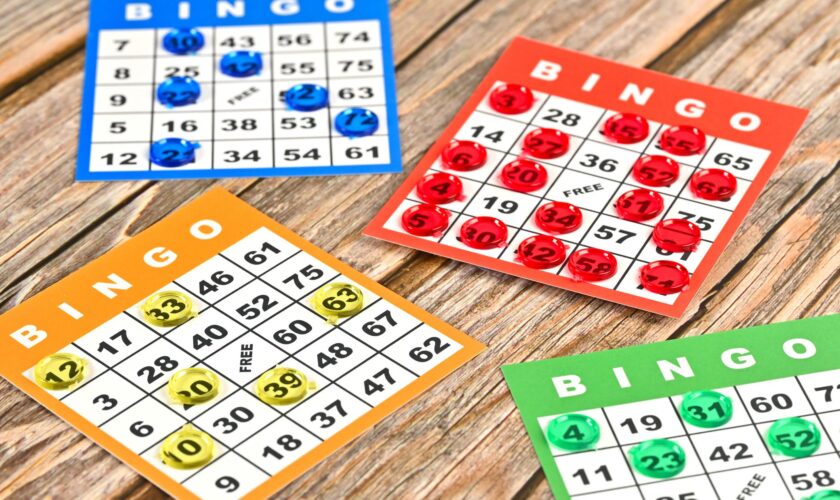
Bingo may look like a simple game of chance, but once you start playing multiple cards at the same time, it becomes a test of focus, rhythm, and smart decision-making. Multi-card bingo is popular among experienced players because it increases the number of chances to win in a single round. However, more cards also mean more responsibility. Without a strategy, it is easy to miss numbers, lose track, or reduce your overall efficiency.

This guide breaks down how to approach multi-card bingo with structure and clarity, helping you stay in control while improving your odds of success.

Understanding Multi-Card Bingo

Multi-card bingo refers to playing more than one card during a single game session. Instead of relying on a single grid, you manage multiple layouts simultaneously.

Why Players Choose Multiple Cards

  • Increased Winning Opportunities: More cards mean more chances to complete a pattern
  • Higher Engagement: The game becomes more dynamic and fast-paced
  • Better Value for Time: You maximize each round instead of waiting on one card

While the potential rewards increase, so does the complexity. The key is finding a balance between opportunity and control.

Choosing the Right Number of Cards

One of the most important decisions is how many cards to play at once. Beginners often make the mistake of taking too many cards too quickly.

Factors to Consider

  • Experience Level: Start with fewer cards if you are new
  • Game Speed: Faster games require fewer cards
  • Comfort Level: Choose a number you can manage without stress

Suggested Starting Points

  • Beginners: 2 to 4 cards
  • Intermediate players: 4 to 8 cards
  • Advanced players: 8 or more cards

The goal is not to maximize quantity but to maintain accuracy. Missing numbers defeats the purpose of playing multiple cards.

Organizing Your Cards Efficiently

Proper organization is essential when handling multiple cards. A cluttered setup leads to missed calls and confusion.

Best Practices for Layout

  • Arrange cards in a clear grid pattern
  • Keep spacing consistent for easy scanning
  • Group cards logically rather than randomly

If you are playing online, most platforms offer auto-daub features that mark numbers automatically. However, staying visually organized still matters for tracking patterns.

Developing a Scanning Technique

When multiple numbers are being called rapidly, your ability to scan cards efficiently becomes critical.

Effective Scanning Methods

  • Left-to-Right Sweep: Move your eyes in a consistent direction
  • Top-to-Bottom Check: Scan systematically instead of randomly
  • Pattern Recognition: Focus on areas close to completion

Consistency is key. Random scanning increases the chance of missing important numbers.

Managing Speed and Focus

Multi-card bingo requires a balance between speed and concentration. If you rush, you make mistakes. If you slow down too much, you fall behind.

Tips to Maintain Focus

  • Eliminate distractions during gameplay
  • Keep your eyes moving steadily
  • Take short breaks between rounds

Mental fatigue can build quickly when managing multiple cards. Staying sharp is essential for sustained performance.

Understanding Game Variations

Different bingo formats require different strategies. Multi-card play is not one-size-fits-all.

Common Variations

  • 75-Ball Bingo: Smaller grids with more patterns
  • 90-Ball Bingo: Larger grids with fewer numbers per row
  • Speed Bingo: Faster number calls

Adjust your card count and scanning speed based on the variation you are playing.

Using Patterns to Your Advantage

Bingo is not just about marking numbers. It is about completing patterns. Understanding these patterns helps you prioritize attention.

Strategy for Pattern Tracking

  • Focus on cards close to completion
  • Identify high-probability areas
  • Avoid spreading attention too thin

When one card is close to winning, shift more focus to it while still monitoring others.

Bankroll Management in Multi-Card Play

Playing multiple cards increases your total spending per round. Without proper bankroll management, costs can escalate quickly.

Key Principles

  • Set a budget before playing
  • Avoid increasing card count impulsively
  • Track wins and losses over time

A disciplined approach ensures that you can continue playing without unnecessary financial pressure.

Online vs Traditional Bingo

Multi-card strategies differ slightly depending on whether you are playing online or in a physical hall.

Online Advantages

  • Auto-daub features reduce workload
  • Easier card organization
  • Faster gameplay options

Traditional Hall Challenges

  • Manual marking required
  • Limited space for multiple cards
  • Higher risk of missing numbers

Choose your environment based on your comfort level and preferred pace.

Leveraging Technology in Online Bingo

Modern online platforms provide tools that make multi-card play more manageable.

Useful Features

  • Automatic number marking
  • Highlighted winning patterns
  • Adjustable card layouts

Even with these tools, staying attentive is important. Automation helps, but it does not replace awareness.

Avoiding Common Mistakes

Many players struggle with multi-card bingo because of avoidable errors.

Frequent Pitfalls

  • Taking too many cards too soon
  • Losing track of called numbers
  • Ignoring patterns
  • Playing while distracted

Recognizing these mistakes early allows you to adjust your strategy and improve performance.

Building Consistency Over Time

Success in multi-card bingo comes from repetition and refinement. The more you play, the better you understand your limits and strengths.

Ways to Improve

  • Practice with smaller card sets
  • Gradually increase complexity
  • Review your gameplay habits

Consistency leads to confidence, and confidence improves decision-making.

The Role of Luck vs Strategy

Bingo is ultimately a game of chance, but strategy still plays a role in how effectively you participate.

What You Can Control

  • Number of cards
  • Organization and scanning
  • Focus and discipline

What You Cannot Control

  • Number draws
  • Opponents’ performance

Understanding this balance helps you stay realistic and avoid frustration.

Creating a Personal System

Every experienced player develops a system that works for them. There is no universal formula, but there are guiding principles.

Elements of a Strong System

  • Clear card limit
  • Consistent scanning method
  • Defined budget

Your system should evolve as your experience grows.

FAQ Section

How many bingo cards should I play at once

The ideal number depends on your experience and comfort level. Start with a small number and increase gradually as you gain confidence.

Does playing more cards guarantee more wins

More cards increase your chances, but they also increase complexity. Missing numbers can reduce your effectiveness.

Is online bingo better for multi-card play

Online platforms are generally easier for managing multiple cards due to automation and layout features.

How can I avoid missing numbers

Use a consistent scanning method, stay organized, and limit distractions during gameplay.

Are certain bingo games better for multi-card strategies

Slower-paced games are better for beginners, while faster games require more experience and focus.

Can strategy really improve my bingo results

Strategy improves how efficiently you play, but outcomes are still determined by chance.

What is the biggest mistake in multi-card bingo

Taking on more cards than you can handle is the most common and costly mistake.

Multi-card bingo adds a new layer of depth to a classic game. By focusing on organization, discipline, and gradual improvement, you can transform a simple pastime into a more engaging and controlled experience.

read more
Gambling

Gambling Myths That Mislead Players

Gambling has always been surrounded by stories, beliefs, and assumptions that shape how people approach it. Many of these ideas are passed from player to player, repeated so often that they begin to feel true. However, a large number of these beliefs are myths that can mislead players and affect their decisions.

Understanding the difference between fact and fiction is essential. When players rely on myths instead of reality, they often make choices that reduce their chances of success or lead to unnecessary losses. This article breaks down common gambling myths and explains the truth behind them in a clear and practical way.

Why Gambling Myths Persist

Gambling myths do not exist by accident. They often develop from patterns people think they see, combined with emotional experiences.

Key Reasons Myths Spread

  • Selective Memory: Players remember wins more than losses
  • Pattern Recognition: Humans naturally look for patterns, even where none exist
  • Storytelling: Memorable stories are shared more often than facts
  • Misunderstanding Probability: Random outcomes are often misinterpreted

These factors make myths feel convincing, even when they are not supported by reality.

Myth One: A Machine Is Due for a Win

One of the most common beliefs is that a slot machine or game is about to pay out because it has not done so recently.

The Reality

  • Each spin or round is independent
  • Outcomes are determined by random number generators
  • Past results do not influence future outcomes

This belief is known as the gambler’s fallacy. It leads players to assume that a win is overdue, which is not how randomness works.

Myth Two: You Can Predict Random Outcomes

Many players believe they can identify patterns or systems that predict future results.

The Truth

  • Casino games are designed to be unpredictable
  • Random outcomes cannot be forecast with certainty
  • Patterns seen in short-term results are coincidental

While strategy can influence certain games, it does not allow players to predict random events.

Myth Three: Casinos Control When You Win

Some players believe that casinos manipulate games in real time to control payouts.

What Actually Happens

  • Games operate on fixed mathematical models
  • Outcomes are generated by certified systems
  • Regulations require fairness and consistency

Casinos are designed to have a long-term advantage, but they do not adjust outcomes on a per-player basis during gameplay.

Myth Four: Winning Streaks Mean You Are Hot

A series of wins can make players feel that they are on a streak and should continue betting aggressively.

The Reality

  • Each outcome is independent
  • A winning streak does not increase future odds
  • Overconfidence can lead to higher losses

Recognizing that streaks are temporary helps maintain discipline.

Myth Five: Betting Systems Guarantee Success

Various betting systems claim to ensure profits if followed correctly.

Common Examples

  • Increasing bets after losses
  • Following fixed betting patterns
  • Using progression strategies

The Truth

  • No system can overcome the house edge
  • Losses can escalate quickly
  • Systems often rely on flawed assumptions

While systems may create structure, they do not change the underlying probabilities.

Myth Six: Higher Bets Improve Your Chances

Some players believe that wagering more money increases the likelihood of winning.

The Reality

  • Bet size does not affect probability
  • Larger bets only increase potential payouts and losses
  • Risk increases with higher stakes

Understanding this helps players avoid unnecessary risk.

Myth Seven: Online Games Are Less Fair Than Physical Ones

There is a common perception that online gambling is less trustworthy than traditional casinos.

The Facts

  • Reputable platforms use certified random number generators
  • Independent testing ensures fairness
  • Outcomes are statistically consistent

The key is choosing reliable and regulated platforms.

Myth Eight: Skill Does Not Matter at All

While many games rely on chance, some players assume that skill has no role in gambling.

The Truth

  • Certain games involve decision-making
  • Strategy can influence outcomes in specific games
  • Knowledge improves overall performance

Understanding where skill applies helps players make better choices.

Myth Nine: You Can Recover Losses Quickly

After losing, some players believe they can win back their money in a short time.

The Reality

  • Chasing losses often leads to bigger losses
  • Emotional decisions reduce discipline
  • Recovery requires patience, not urgency

Managing expectations is essential for long-term stability.

Myth Ten: Casinos Want You to Win Big

Some players believe casinos aim to reward players with large wins regularly.

The Truth

  • Casinos operate on long-term profitability
  • Payouts are structured to maintain an advantage
  • Big wins are possible but not frequent

Understanding this helps set realistic expectations.

The Role of Probability in Gambling

At the core of gambling is probability. Every game is based on mathematical principles that determine outcomes over time.

Key Concepts

  • Randomness: Each event is independent
  • House Edge: Built-in advantage for the casino
  • Variance: Short-term fluctuations in results

Learning these concepts provides a clearer understanding of how games work.

How Myths Affect Decision-Making

Believing in myths can lead to poor decisions that impact both enjoyment and results.

Common Effects

  • Overconfidence
  • Increased risk-taking
  • Misinterpretation of outcomes

Recognizing these effects helps players make more informed choices.

Developing a Rational Approach

Replacing myths with facts allows players to approach gambling more effectively.

Practical Steps

  • Learn the rules and probabilities of each game
  • Set realistic expectations
  • Maintain consistent strategies

A rational approach leads to better control and a more balanced experience.

Responsible Gambling and Awareness

Understanding myths is also part of responsible gambling. Awareness helps prevent harmful habits.

Key Practices

  • Set limits on time and money
  • Avoid emotional decision-making
  • Take breaks regularly

Responsible behavior ensures that gambling remains a form of entertainment.

Why Education Matters

Education is one of the most effective ways to counter misinformation. The more you understand, the less likely you are to fall for myths.

Benefits of Learning

  • Improved decision-making
  • Greater confidence
  • Reduced risk of mistakes

Knowledge transforms how players interact with games.

FAQ Section

What is the gambler’s fallacy

It is the belief that past outcomes influence future results in random events, which is not true.

Can any strategy guarantee winning in gambling

No, all games with a house edge are designed to favor the casino over time.

Are online casino games fair

Reputable platforms use certified systems to ensure fair and random outcomes.

Do winning streaks affect future results

No, each outcome is independent and unaffected by previous results.

Why do people believe gambling myths

Human psychology, including pattern recognition and selective memory, plays a major role.

Is it possible to predict outcomes in gambling

No, random events cannot be predicted with certainty.

How can I avoid falling for gambling myths

Focus on understanding probability, learn the rules of games, and avoid relying on unverified beliefs.

Gambling myths can be persuasive, but they often lead players in the wrong direction. By understanding the realities behind these misconceptions, you can approach gambling with clarity, discipline, and a stronger sense of control.

read more